The Medical Training Prioritisation Bill Explained: What Applicants Need to Know
MSRA Prep

The Medical Training Prioritisation Bill has landed at a time when competition for UK training posts is already intense. Since its announcement a few months ago, uncertainty has spread quickly particularly among international medical graduates.
This article offers a clear, structured explanation of what the bill does, who it affects, and how it will change recruitment.
If you’re applying for foundation, specialty, or higher training, this is what you need to understand.
Although the bill has not yet been passed as of today, 18th January 2026, it is highly expected that it will be passed by the parliament as both sides support it.
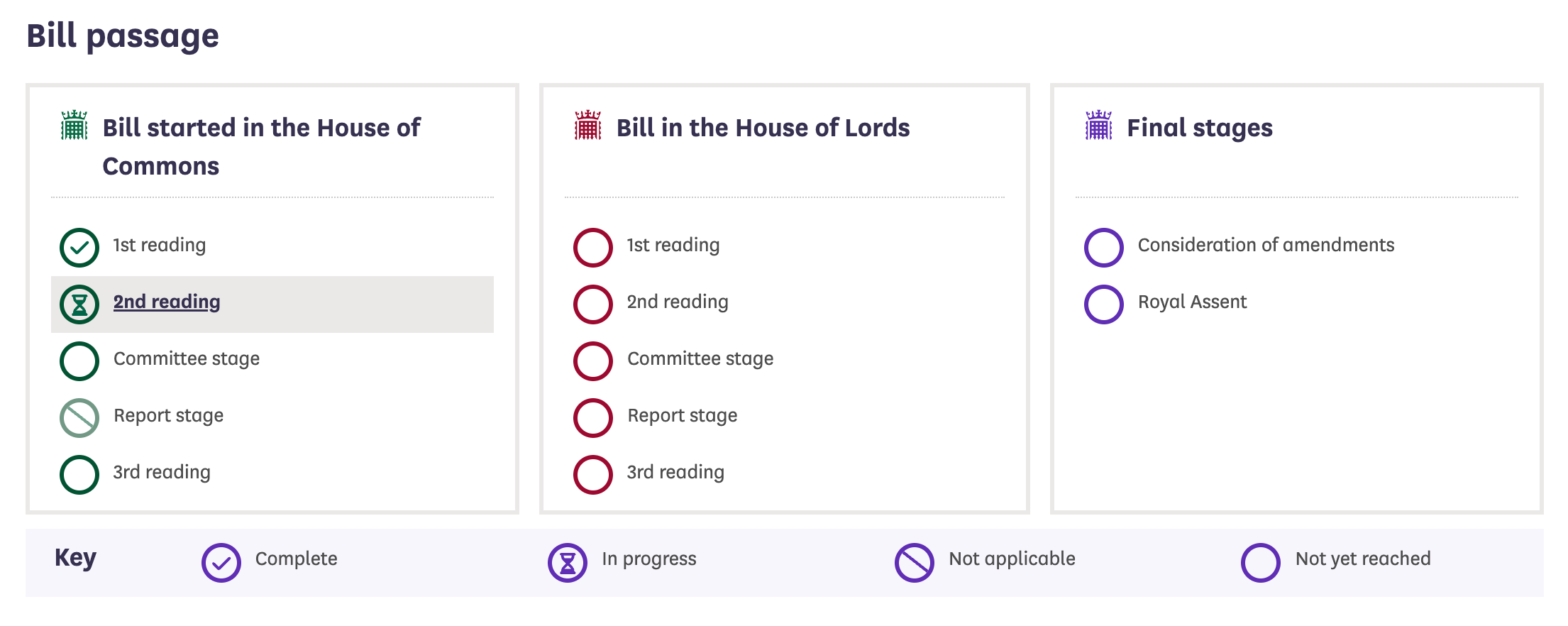
This is the current stage the bill is at today 18th Jan 2026:
What does the bill actually cover?
The legislation applies only to recognised UK medical training programmes, including:
- The two-year UK Foundation Programme
- FY2 Standalone
- Specialty training at ST1 / CT1
- Higher specialty training at ST3 / ST4
It does not apply to:
- Trust-grade or locally employed doctor roles
- Clinical fellow posts
- Non-training jobs
If the post is not part of the national training pathway, the bill has no impact on it.
Foundation & FY2 Standalone: who is prioritised?
For foundation-level training, three groups are prioritised:
- UK medical graduates
- Republic of Ireland medical graduates
- Graduates from treaty countries:
- Iceland
- Liechtenstein
- Norway
- Sweden
Importantly, immigration status alone does not give priority at this level.
Practical impact
- Foundation Programme: high impact, as nearly all UK graduates apply alongside international candidates.
- FY2 Standalone: lower impact, as most UK graduates are ineligible having already completed foundation.
Priority groups are offered posts first. Only if posts remain unfilled will offers move to applicants outside those groups.
Specialty training (ST1 / CT1): how priority expands
Priority groups here include:
- UK graduates
- Republic of Ireland graduates
- Treaty-country graduates
Plus:
- Doctors who have completed or are currently undertaking UK Foundation or FY2 Standalone as of early 2026.
This means many international graduates already working within UK training pathways fall into priority groups.
Higher specialty training (ST3 / ST4)
At higher levels, priority applies to doctors who:
- Have completed or are currently in a relevant UK core training programme
Example:
- Applying for ENT → Core Surgical Training places you in a priority group.
Immigration status: relevant for 2026 only
For the 2026 recruitment round, priority also extends to doctors who are:
- British citizens
- Irish citizens
- Commonwealth citizens with right of abode
- Holders of Indefinite Leave to Remain (ILR)
- EU citizens with settled status
EU citizens without settled status do not receive priority unless they qualify through another route.
What changes in 2027?
This is one of the most misunderstood areas.
In 2026
- Priority applies only at the offer stage
- Interview shortlisting remains unchanged
From 2027 onwards
- Priority applies at both interview and offer stages
- Priority applicants receive interview slots first
- Non-priority applicants are considered only if capacity remains
Another key change
- Immigration status alone will no longer automatically confer priority
- Instead, doctors with “significant NHS experience” will be prioritised
What counts as “significant” has not yet been defined and may vary year to year. We expect more information in this definition later this year.
How does prioritisation actually work?
Priority does not mean automatic appointment. Your grades still matter!
Step 1: You must be appointable
If you are below the appointability threshold, priority is irrelevant.
Examples:
- GP / Psychiatry:
- Must pass MSRA
- Minimum Band 2 in both papers
- Interview-based specialties:
- MSRA determines interview eligibility
- Interview and portfolio determine appointability
Failing to meet thresholds means no offer, regardless of priority status.
Step 2: Separate ranking lists
- Appointable priority-group applicants are ranked together
- Appointable non-priority applicants are ranked separately
- All priority groups are treated equally—there is no hierarchy within them
Once priority posts are filled, remaining jobs (if any) are offered to the non-priority list in rank order.
Which specialties are affected?
- Foundation & FY2 Standalone: included
- ST1 / CT1: all specialties except Public Health
- ST3 / ST4: all specialties
Public Health is excluded due to its non-medical entry routes.
Should you still prepare seriously?
Yes! And even more so than before!
Even within priority groups:
- Predicted competition ratios are around 2:1
- That still leaves many appointable candidates without offers
For non-priority applicants:
- Fewer posts may be available
- Some specialties may have none remaining
- Performance becomes even more critical
Strong MSRA scores and interview performance still:
- Secure interviews
- Improve ranking
- Determine whether you receive any offer at all
If you are an IMG, then you need prepare even more so than before, as you will need higher grades to be considered.
A reality check using known GP recruitment data
Let’s have a look at some recent data. Recent recruitment data shows:
- Thousands of appointable GP applicants
- Fewer accepted posts than available jobs
- Many applicants decline offers due to location or competing specialty offers
This matters because:
- Priority groups include many non-UK graduates
- Posts are likely to remain but in much smaller numbers
- Competition outside priority groups will be intense
What about “significant NHS experience” in 2027?
As already mentioned, details are pending.
- The BMA has suggested a two-year NHS experience threshold
- Criteria may change annually
- Designed to allow flexibility if posts remain unfilled
No final definition has been confirmed.
Final word
The Medical Training Prioritisation Bill reshapes how offers are allocated, not what makes an appointable candidate.
There are no guarantees; only sharper competition.
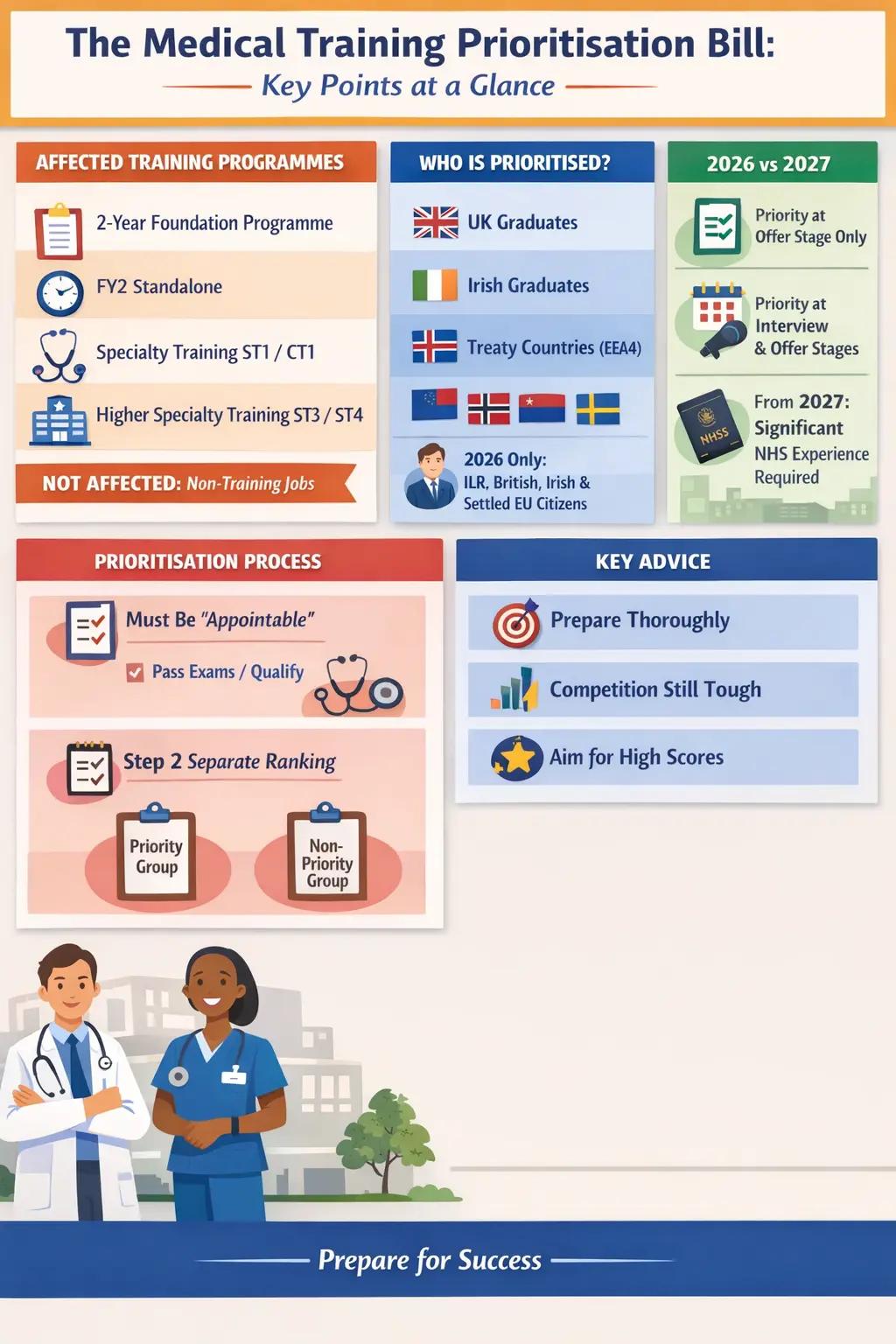
Here is a quick summary infographic:
If you’re applying this year or next:
- Prepare properly
- Aim well above minimum thresholds
- Treat every stage as competitive
Strong preparation remains the single biggest factor you control. At MSRA prep we are here to make sure that you get your choice of post
Ready to ace your MSRA?
Start practicing with AI-powered explanations and mock exams.
Get Started Free